What causes bloating? Common causes and the clue for each
Swallowed air, foods your gut ferments, big meals, hormone shifts and more, each with the pattern that points to it.
Published by Physician's Choice, which makes the products discussed on this site.
Which foods tend to bring on gas, what digestive enzymes were tested for, and when to see a doctor.
Swallowed air, foods your gut ferments, big meals, hormone shifts and more, each with the pattern that points to it.
Pick what you ate. Each food links to what the NIDDK, part of the National Institutes of Health, says about it.
Foods and drinks that the National Institute of Diabetes and Digestive and Kidney Diseases (NIDDK) lists as ones that may lead to more gas, with one line from the source. Use the search box at the top to filter this list.
Dairy products are on NIDDK's list of foods and drinks that may lead to excess gas. Some people have digestive symptoms after foods or drinks that contain lactose, the sugar in milk.
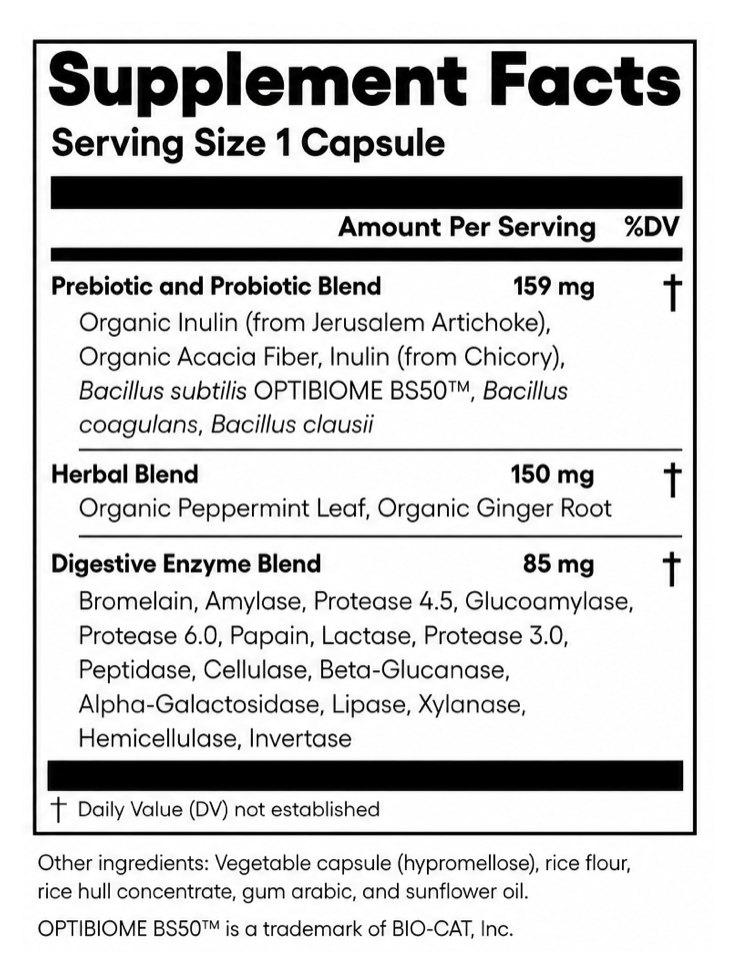
Lactase, which NIDDK names for lactose, is listed on the Digestive Enzymes label. When it is taken.
NIDDK lists legumes, the group that includes beans, peas and lentils, among foods that may lead to excess gas.
A small 2007 study gave alpha-galactosidase with a bean meal. See what it measured.
Source: NIDDK: eating and gas
Cruciferous vegetables, a group that includes broccoli, cauliflower, collard greens and kale, are on the same NIDDK list.
Source: NIDDK: eating and gas
NIDDK lists whole grains, such as whole wheat, among the foods that may lead to excess gas.
Source: NIDDK: eating and gas
Certain fruits, including apples, peaches and pears, and fruit juices are on the NIDDK list.
Source: NIDDK: eating and gas
You swallow more air when you drink fizzy drinks, and NIDDK lists soft drinks with high fructose corn syrup among drinks that may lead to excess gas.
Sweeteners whose names end in "-ol", such as sorbitol, mannitol and xylitol, are on the NIDDK list. Chewing gum also adds swallowed air.
NIDDK says a doctor may suggest eating smaller, more frequent meals instead of larger ones, and eating slowly, sitting down when you can.
Source: NIDDK: eating and gas, NIDDK: reducing gas
Ten answers are published, newest first.
"You should talk with your doctor if gas symptoms bother you."NIDDK, Symptoms and Causes of Gas
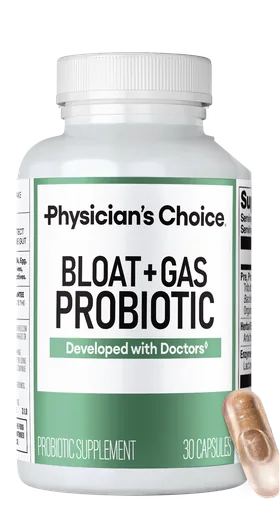
Physician's Choice publishes this site and makes both products. Each line below comes from the printed label or the product page.